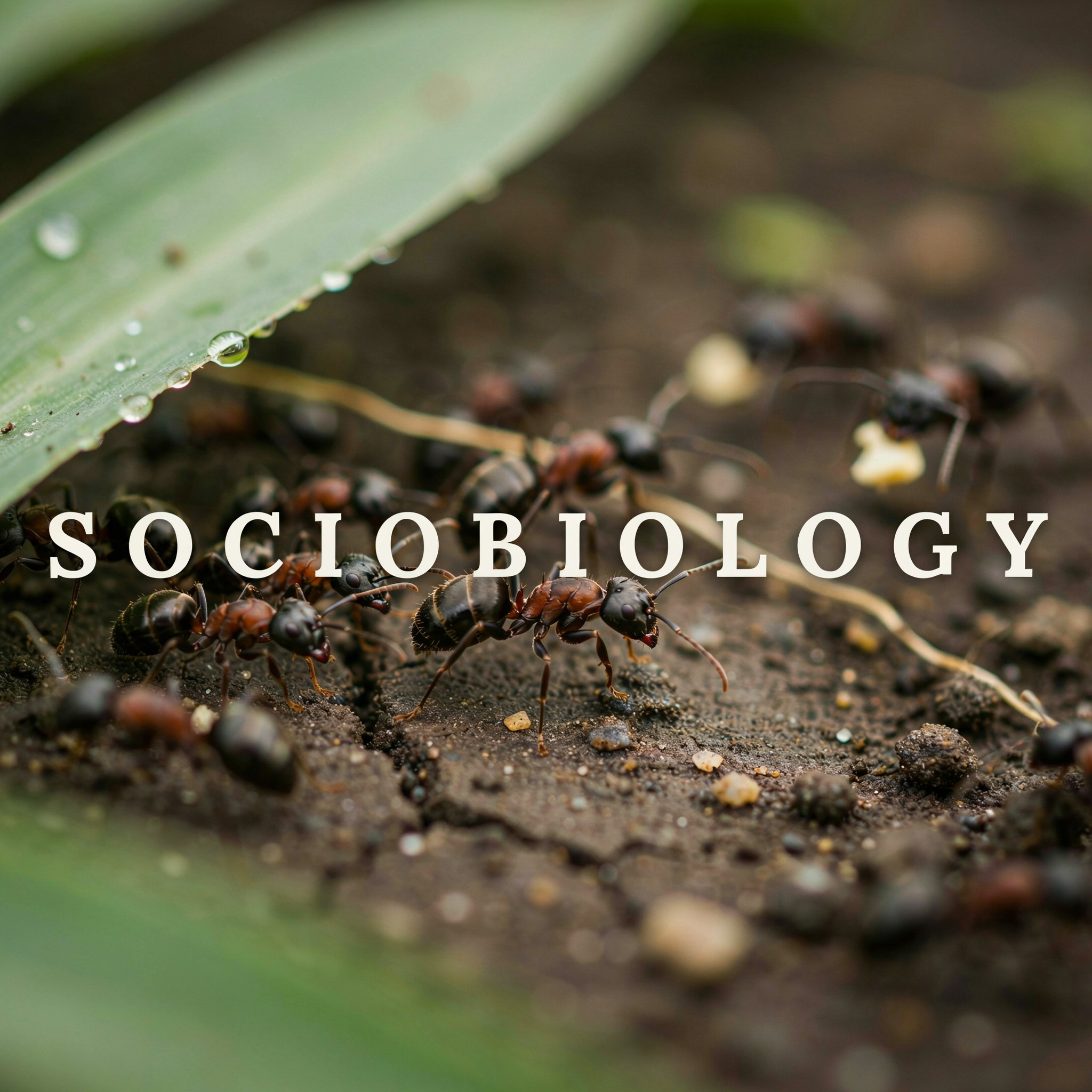
EO Wilson was an influential biology professor at Harvard University whose interest in biology began as a young boy growing up in Alabama when he noticed the ants in a vacant lot near his home. He spent his spare time learning all he could about their activities. Eventually, he realized that ants are super-successful as a species. They live everywhere in the world, and they easily out-number almost any other species. Yet it seems the super-success of ants cannot trace to any super-intelligence of the species. EO Wilson came to the conclusion that ants succeed because of their cooperative behavior within their colony, that is, they are social creatures. In 1975 Wilson attempted a generalization of his concept with the publication of his book – Sociobiology, where he explores the possible connection between Darwinian biology and social behavior.
In one of his popular books, The Social Conquest of Earth, Wilson elaborates on this theme as it might apply to humans. There Wilson organized his analysis around a famous painting by Gauguin – Where Do We Come From? / What Are We? / Where Are We Going?. Gauguin’s famous painting hangs in the Museum of Fine Arts, Boston; I thought I ought to go visit it.
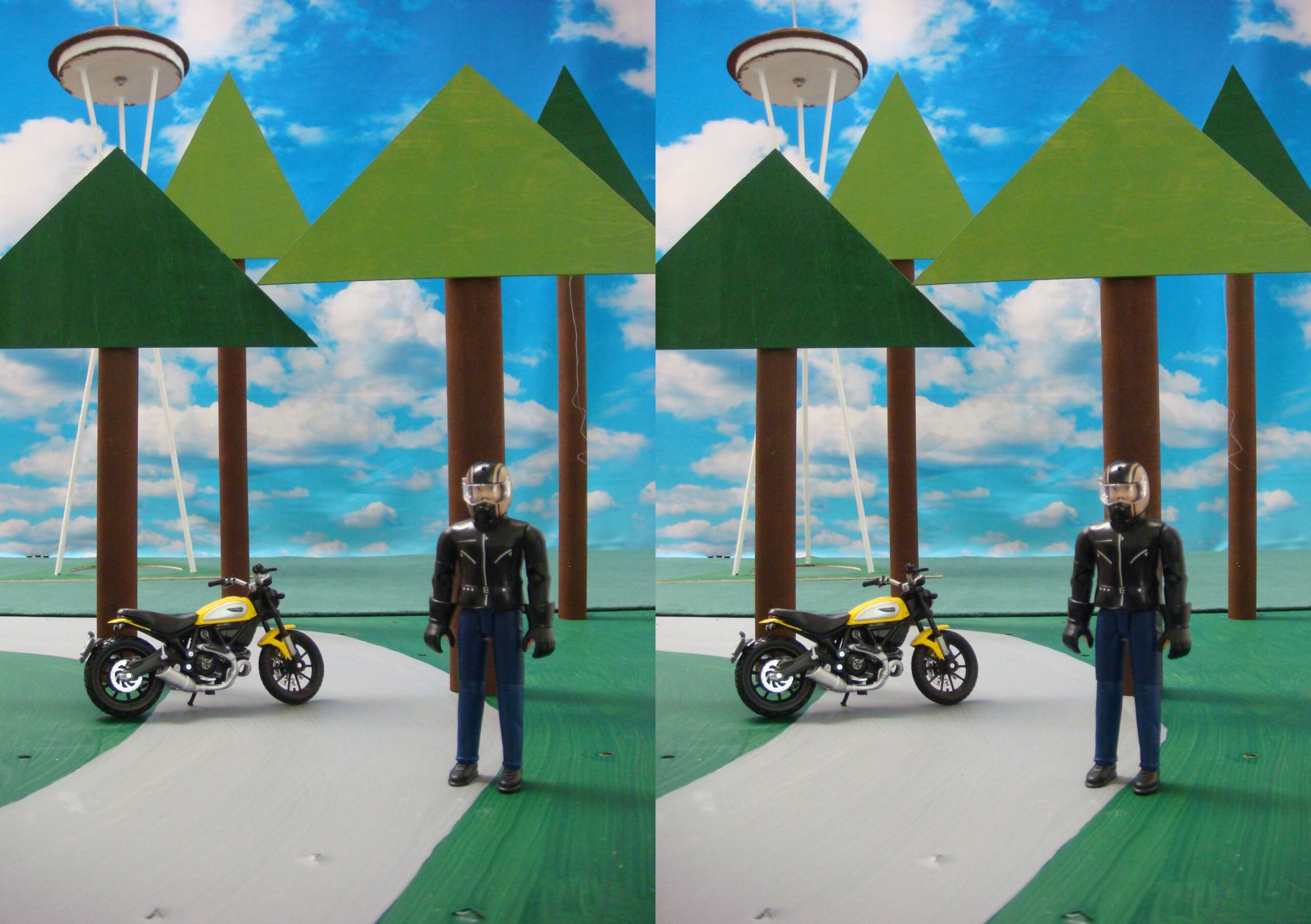
Stereo Pair – view with an Owl viewer, or a Poke Scope, or…
I’m used to having to change trains in Chicago so it was comfortable to stop here for a few days.
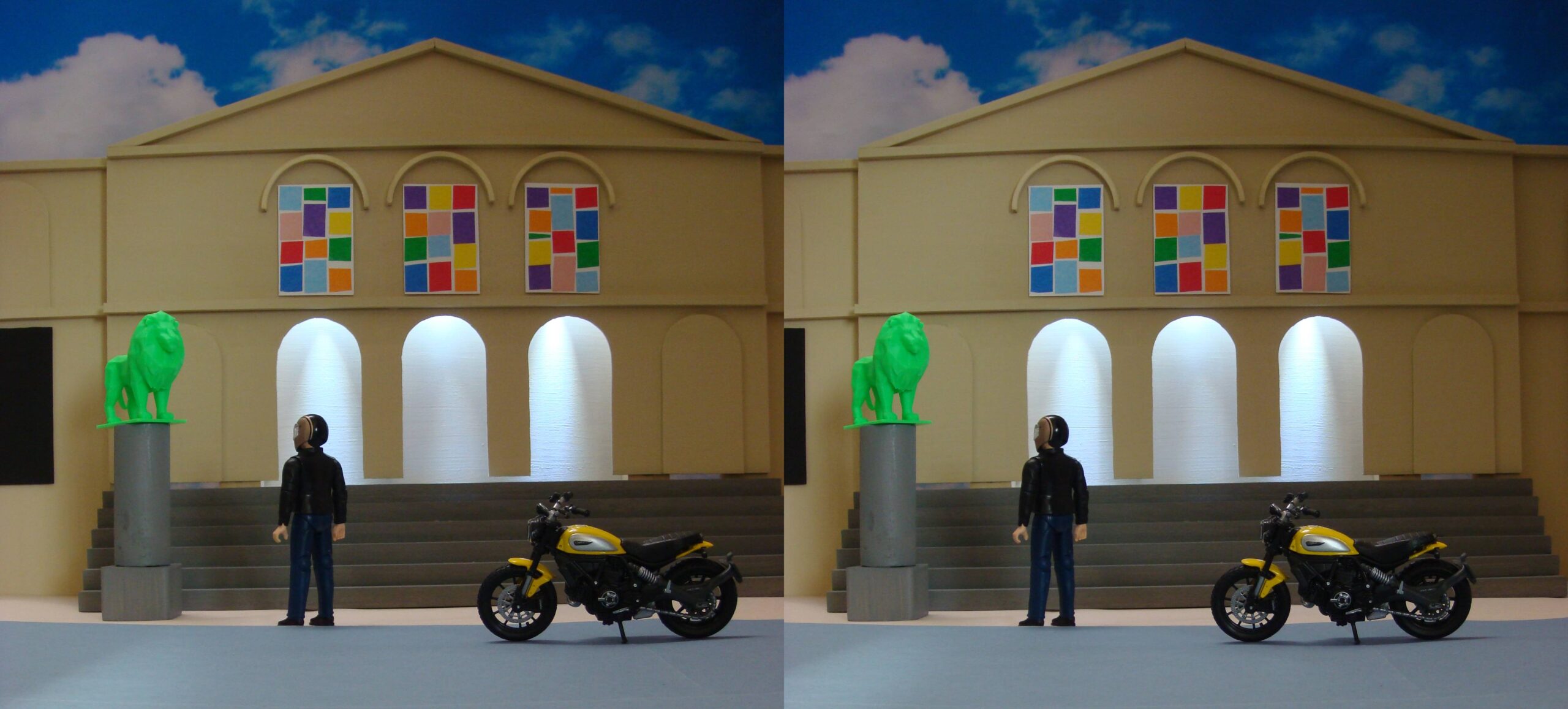
The Art Institue of Chicago is known for it’s collection of Impressionist art. Gauguin is more of a post-impressionist, nevertheless, his work is deservedly represented in the AIC with a piece titled – Mohana no atua.
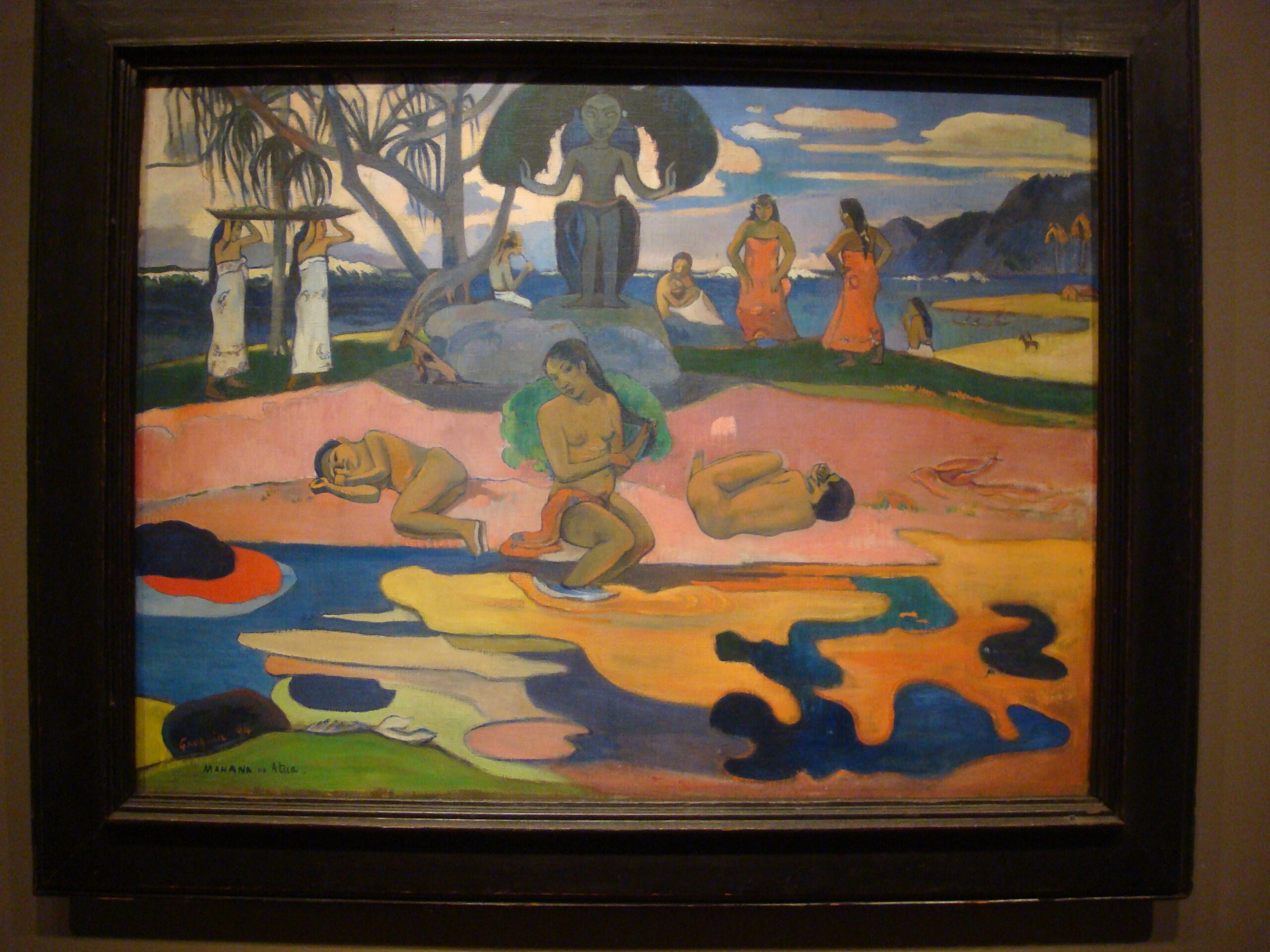
Gauguin painted Mahana in Paris in 1894 after returning from his first visit to Tahiti. Gauguin shows a central group of Tahitians going about their regular activities, though under the watchful and all-seeing eye of their God looking down from his high vantage point. Deeply steeped in his own culture, the juxtapostion of this aspect of life’s strictures with their otherwise Tahitian carefree lifestyle must have seemed both surreal and fascinating to Gauguin. Alas, my interlude in Chicago was coming to an end, it was time to move on.
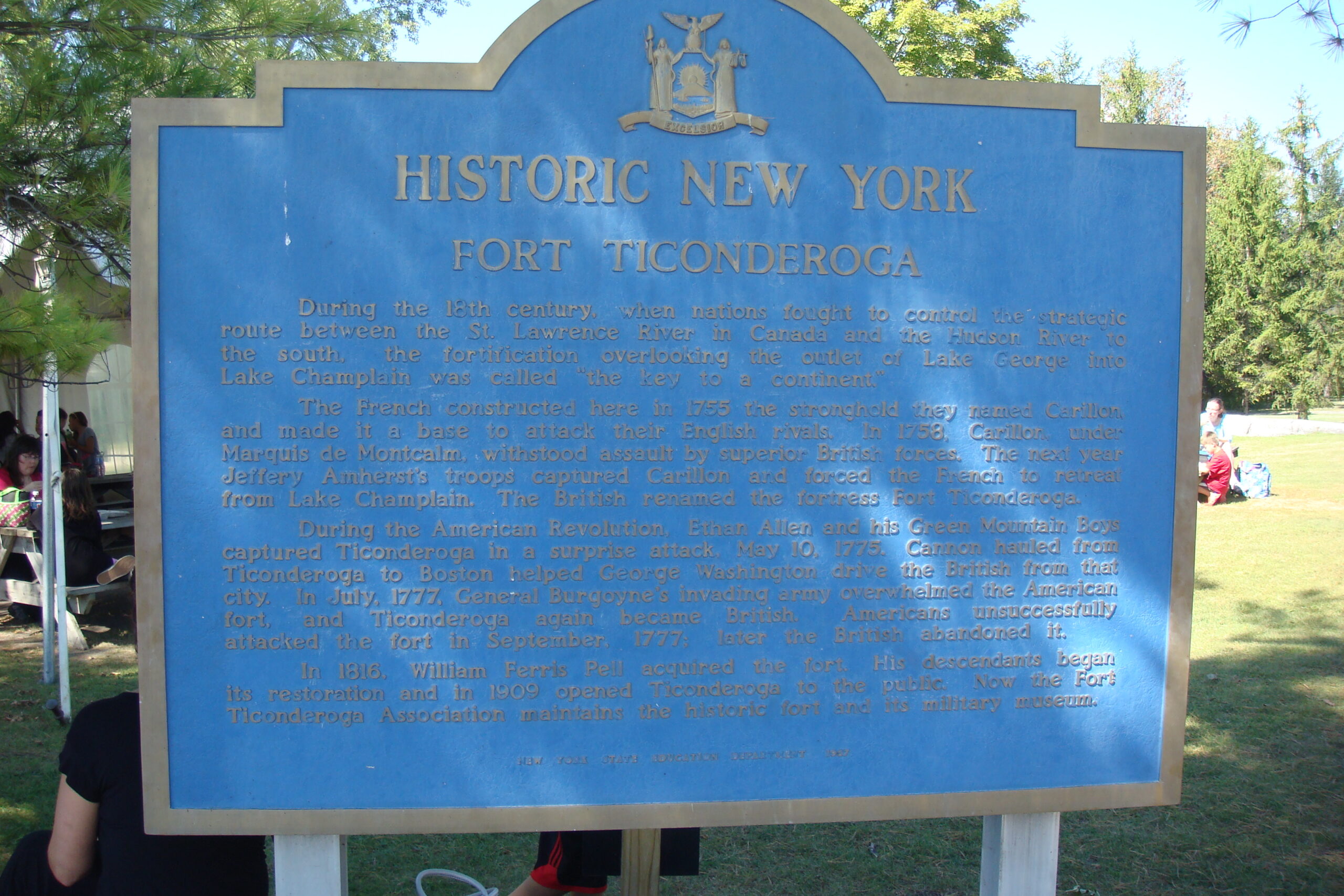
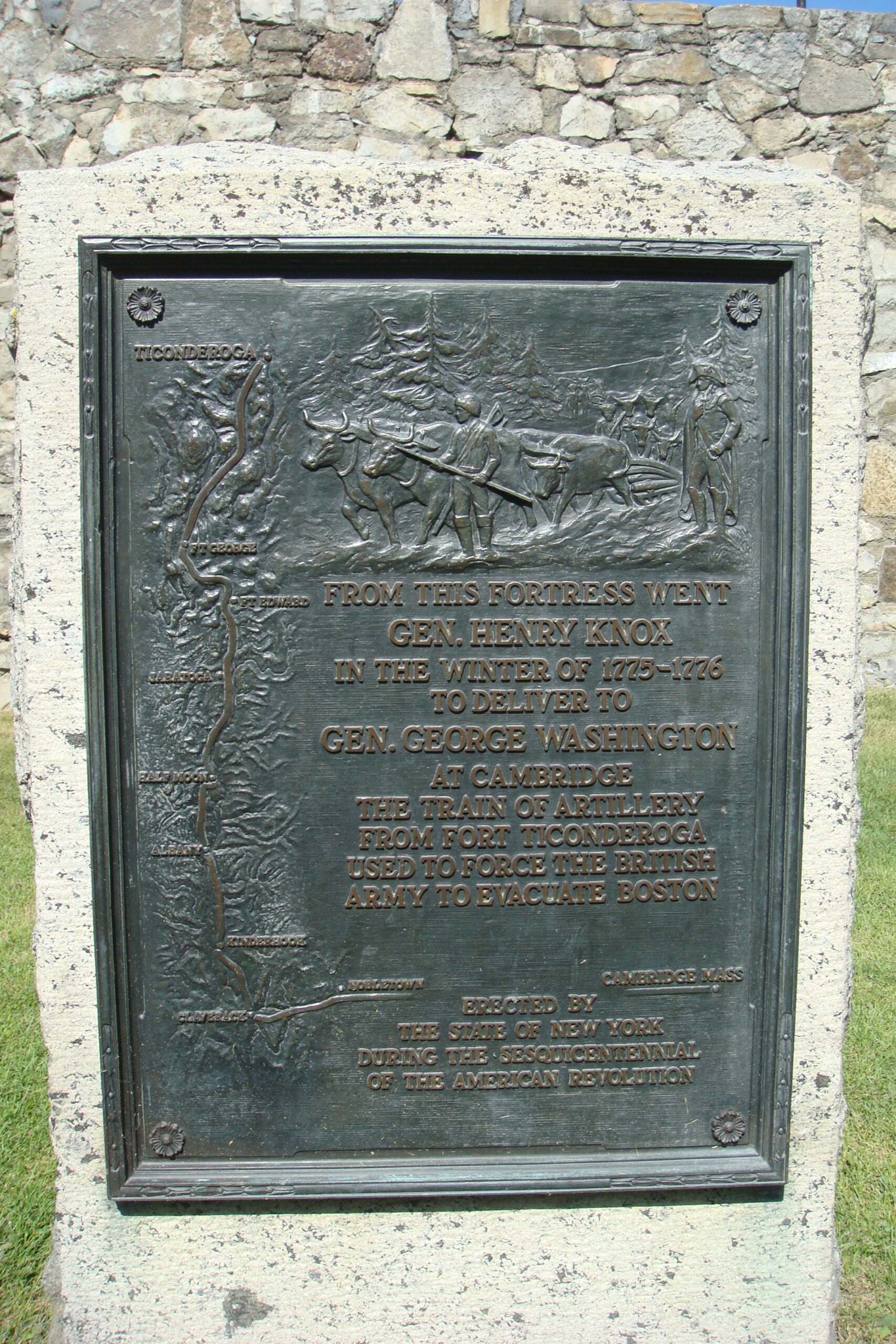
A straight line from Chicago to the Fine Art Museum of Boston would pass close to Fort Ticonderoga. I had to stop here, a high personal hero, Colonel Henry Knox, began his adventure in December of 1775. 59 canon recently captured from the British were transported by Knox’s men through snow, ice, swampy conditions and river crossings, to Boston to decisively turn the tide in General Washington’s effort to liberate Boston.
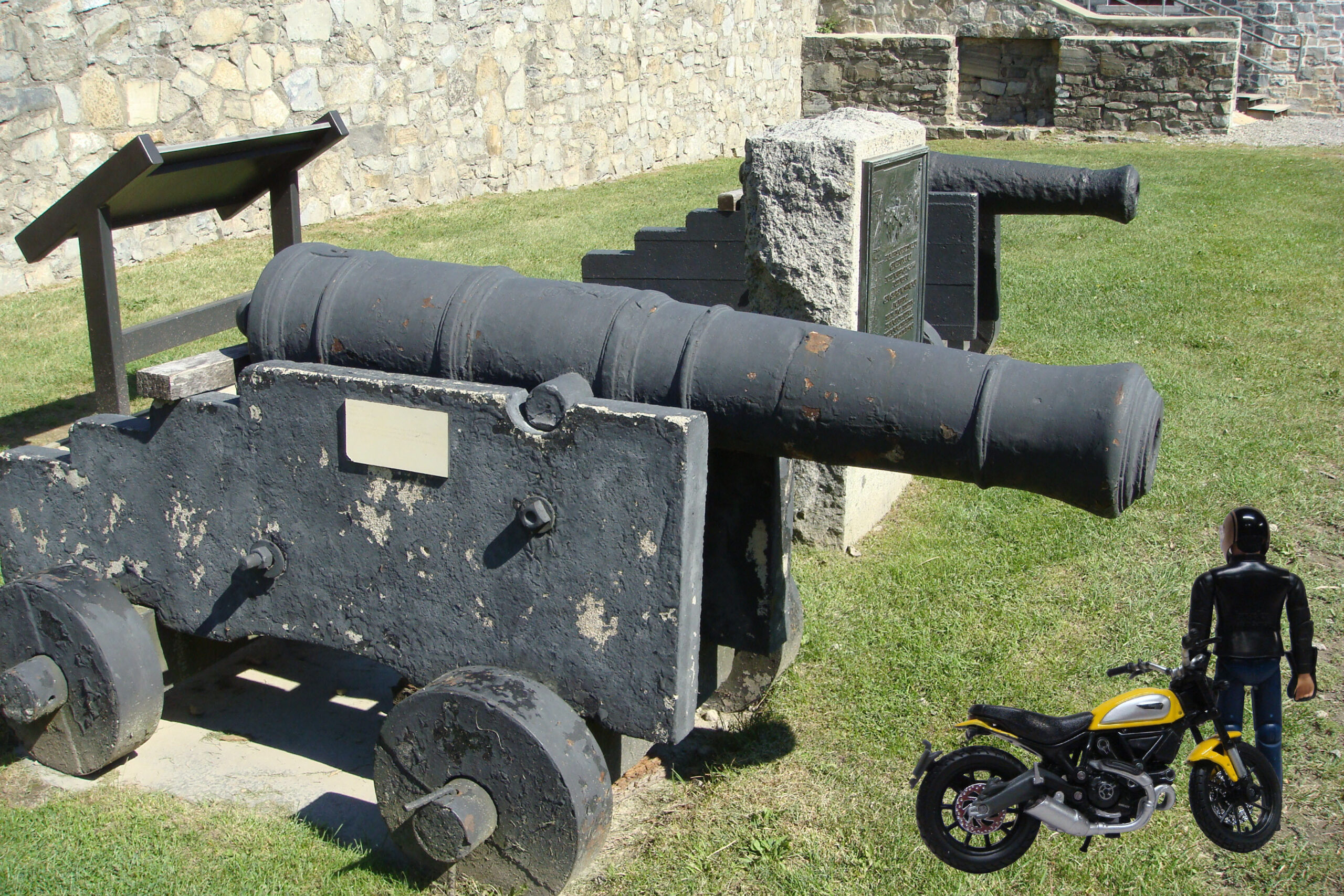
Apparently, these two canons are the only survivors of the original 59 and have been returned to and preserved here at Fort Ticonderoga
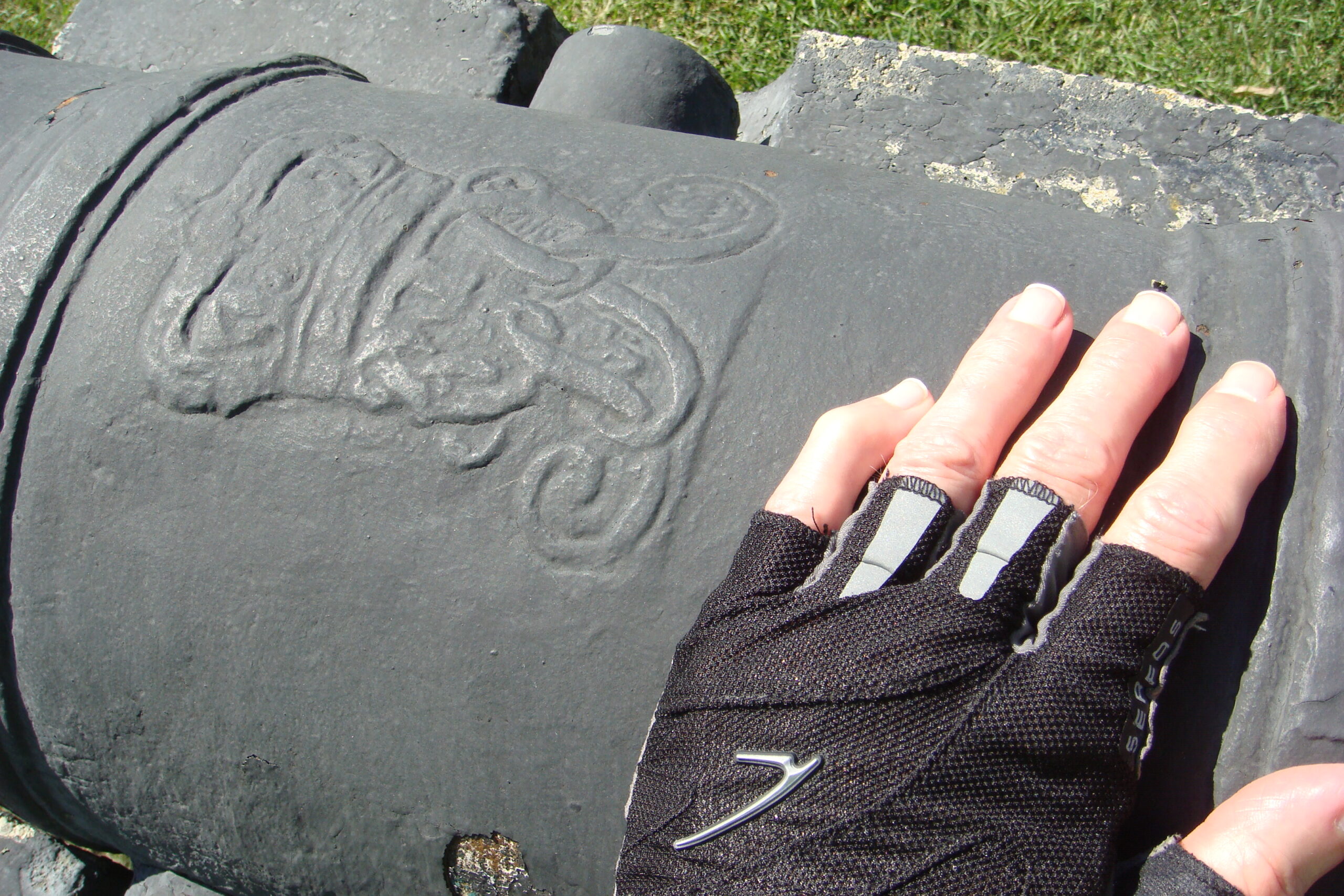
I’ve touched the Liberty Bell, and now, the canons of Dorchester Heights. It’s as much as I can do. I can’t be there at the battles of the Revolutionary War, I can only imagine it and think of the sacrifice of the heros who were. It is a high emotional experience to touch these canons. Yes, in the intervening 250 years suffering on the part of Americans has not been completely prevented, though the work goes on. Yet there is a difference between suffering, and suffering under the fist of a corrupt tyrant. God Bless American Freedom from Tyranny!
It’s time, I must hurry on toward Boston –
A strange inversion: the past, which is naturally fragile and doomed to sink into darkness, takes precedence over the present and the future, transforming the living into visitors to cemetaries – from “The Tyranny of Guilt” by Pascal Bruckner. …visit cemetaries? OK, part of the reason for coming to Boston was to remember and celebrate the lives of Revolutioary War Heros like Henry Knox … and that did involve visiting burial sites. But I rather choose to celebrate them by, in my imagination, witnessing the culmination of their contribution.
It has been an eventful trip thru space and time, and now, it’s time to look at what we came to see at the MFABoston –
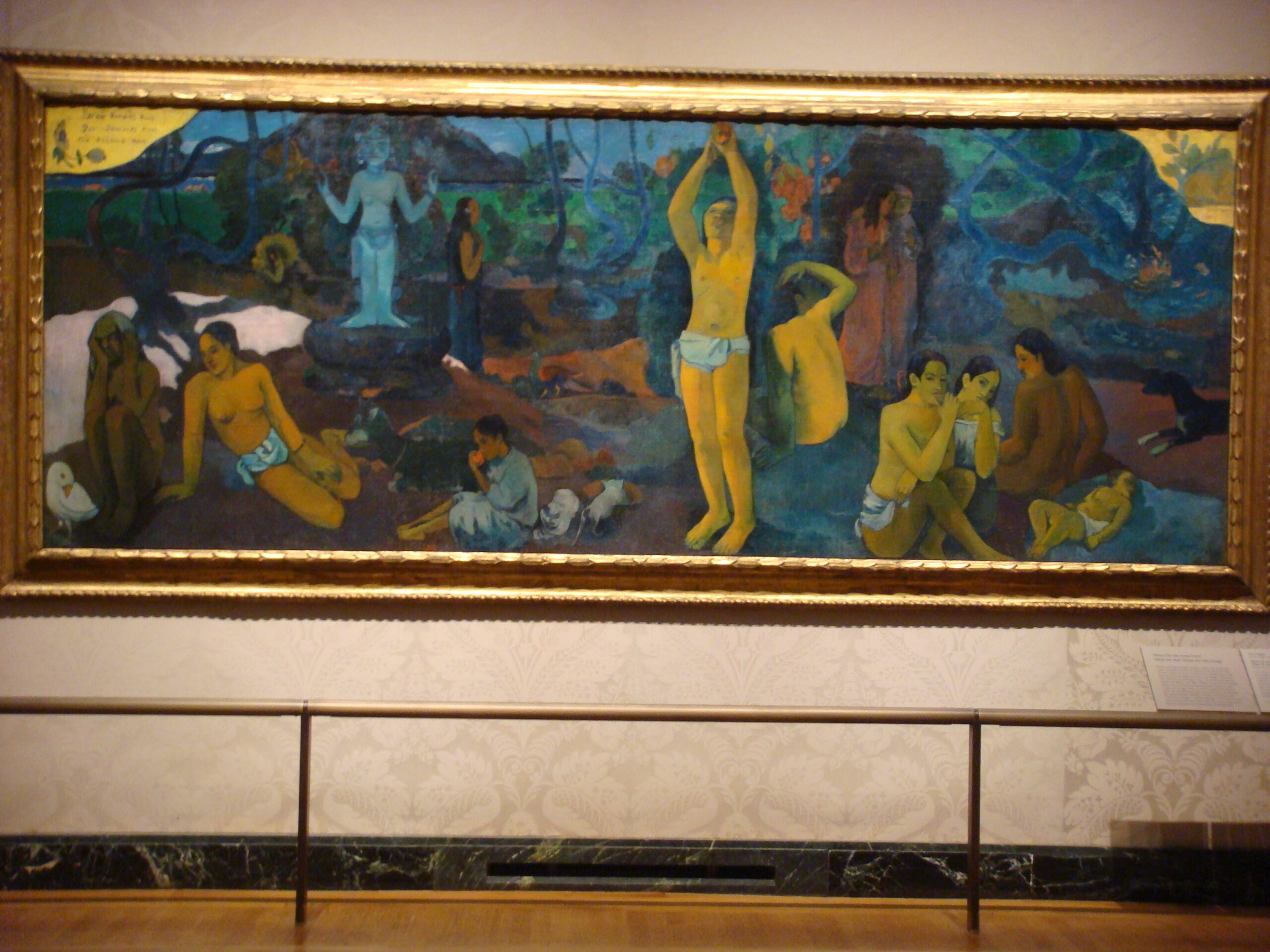
I suppose, by directly viewing Gauguin’s masterpiece, I had expected to discern his answer to his question of “Why Are We Here”. What I noticed was that the hero faces away from the God. I anticipated that Gauguin was telling us that meaning is not to be found there. Art historians do not take that approach. Partly their view is based on the detail that the hero (apparently) is reaching for a piece of fruit that is (likely) hanging from a fruit tree. Gauguin is not telling us that meaning is not to be found thru looking to God. I feel he would have thought of it as “included” in what he did mean – why we are here is established thru the search for purpose, meaning and existance. I’m glad I came to Boston to look at the painting itself. The piece of fruit is small, not easily noticed in a small reproduction. For me, noticing it completely changed my impression of Gauguin’s intent.
But I came here to explore the meaning of Gauguin’s painting to EO Wilson, how does this painting resonate with the messages of “The Social Conquest of Earth” along with the rest of Wilson’s writings? I now don’t think it had much to do with the question of – why are we here. Rather Wilson realized that Gauguin had compared different social structures and chosen to change his circumstances on account of his analysis. With his painting, Gauguin is illustrating the qualities of that selected social structure. True, one social structure may or may not have qualitative advantages over another. That detail is a different topic to Wilson, to Wilson, behaving cooperatively, socially, is the magic ingredient for the success of the human species.